
If you inherited family land in Virginia, your first instinct may be to start planning the house right away. But before you choose a floor plan or picture where the home will sit, there are a few important things to confirm about the land itself.
In this guide, we’ll walk through the key questions to answer before building on inherited land, from ownership and subdivision to homesite fit and financing.
In this guide, we’ll walk through the key questions to answer before building on inherited land, from ownership and subdivision to homesite fit and financing.
Table of Contents
- First, Make Sure the Ownership of Your Inherited Land Is Clear
- Do You Need to Subdivide the Inherited Land?
- Make Sure the Proposed Homesite Is Actually Buildable
- Inherited Land Can Give You a Head Start on Financing
- What to Have Ready Before You Talk to NBS Homes
- Frequently Asked Questions About Building on Inherited Land in Virginia
First, Make Sure the Ownership of Your Inherited Land Is Clear
Before planning a house, confirm that you have the legal right to make decisions about the property.
Before getting too far into house plans, make sure you understand:
- Current ownership: Who legally owns the property today?
- Shared ownership: Does anyone else have an ownership interest?
- Decision-making: Who needs to agree before the property can be transferred, divided, financed, or built on?
- Unresolved issues: Are there any estate or title matters that need to be settled first?
If several people inherited the property together, don't assume that a verbal family agreement is all you'll need to move forward.
NBS Homes can help you understand what a builder will need before construction can begin, but we don't provide legal, estate, title, or tax advice. If ownership is unclear, talk with a Virginia real estate or estate attorney before moving deeper into the building process.
Do You Need to Subdivide the Inherited Land?
If your future homesite is part of a larger family tract, you need to determine if that portion must become its own legal parcel.
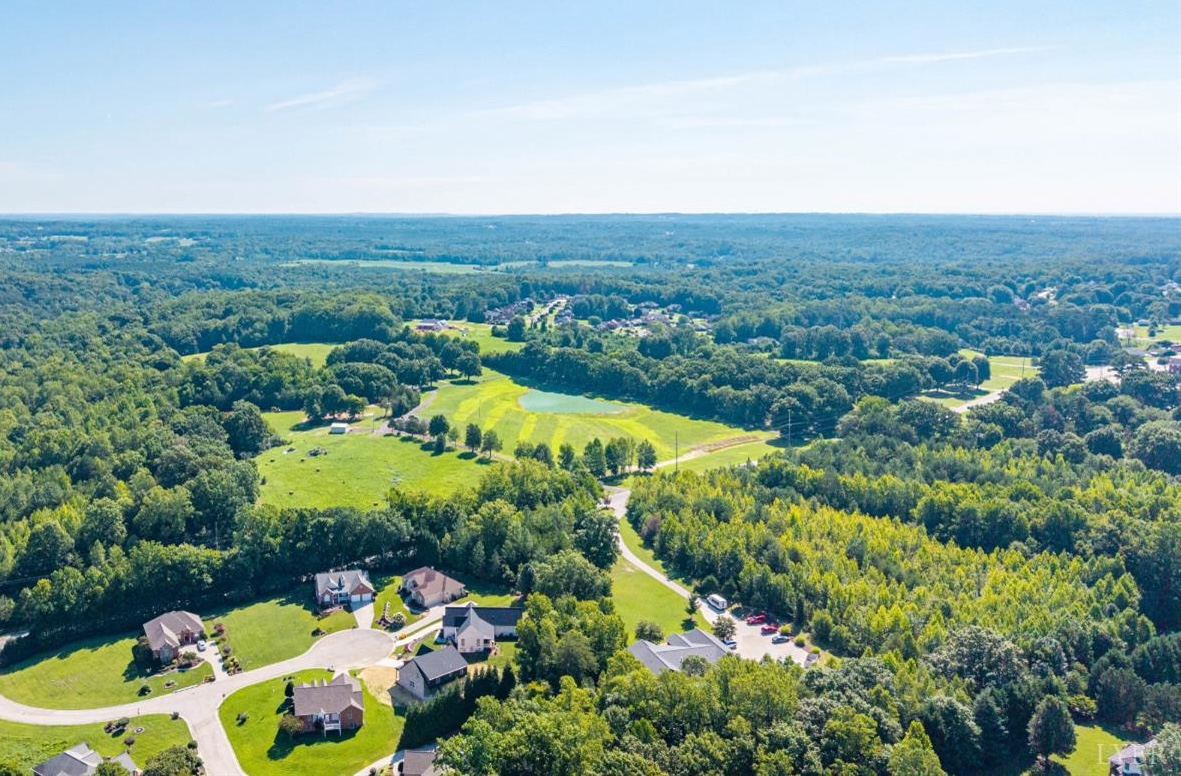
Imagine that your family owns 30 acres and you want five acres for your home. Even if everyone agrees on which five acres you plan to use, you may still need to formally subdivide the land before you can move forward.
A surveyor and the local county or municipality may need to look at:
- Parcel boundaries: Where will the new property lines be?
- Road access: Will the new lot have legal access to a public road?
- Lot requirements: Does it meet local size and frontage rules?
- Easements: Will you need access for a driveway or utilities?
- Usable lot size: Will the new parcel meet local requirements and leave enough space to move forward with site planning?
Virginia provides for certain family subdivisions, but the exact requirements depend on the property and local ordinance.
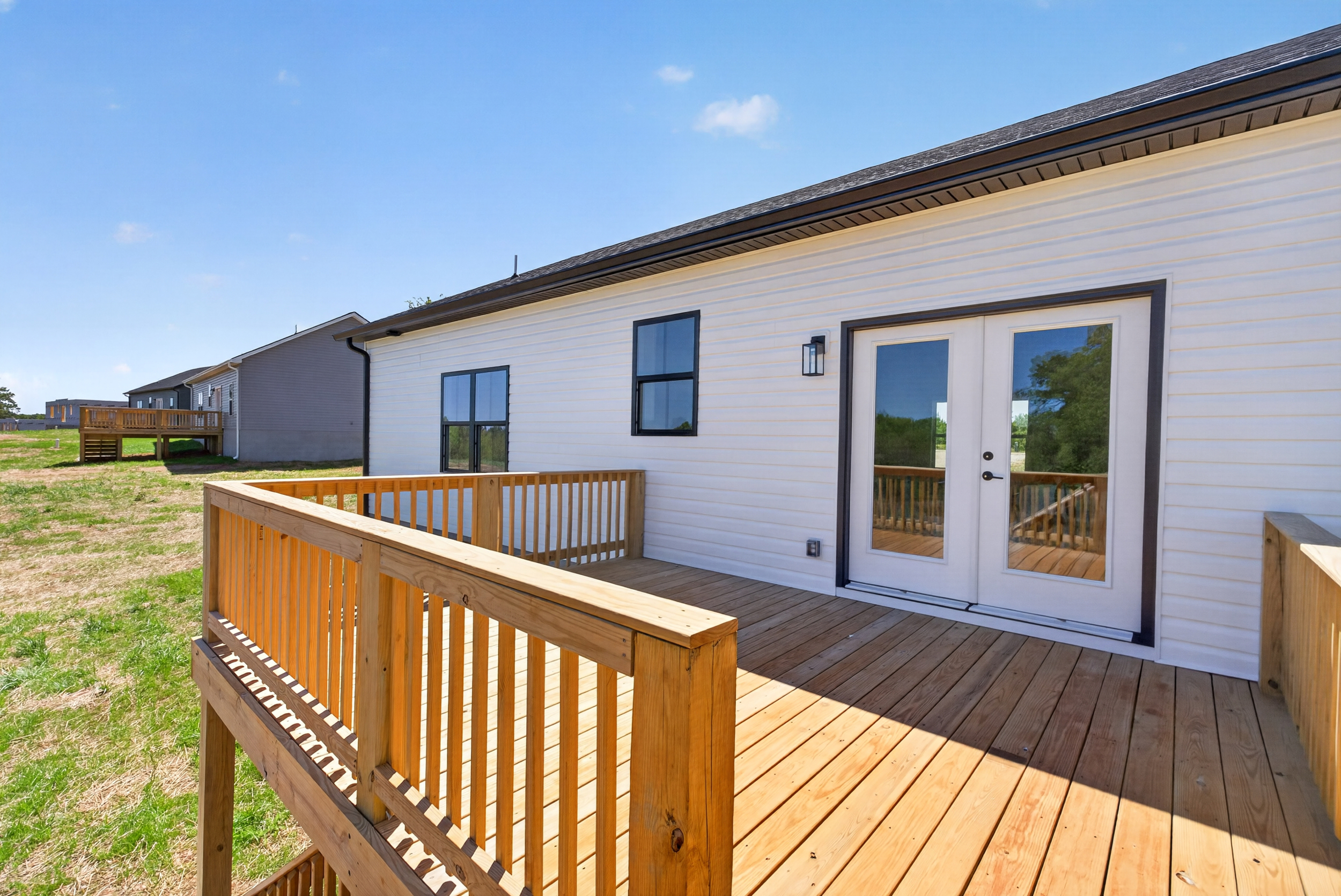
Make Sure the Proposed Homesite Is Actually Buildable
A large property does not automatically mean every part of the land is suitable for a house.
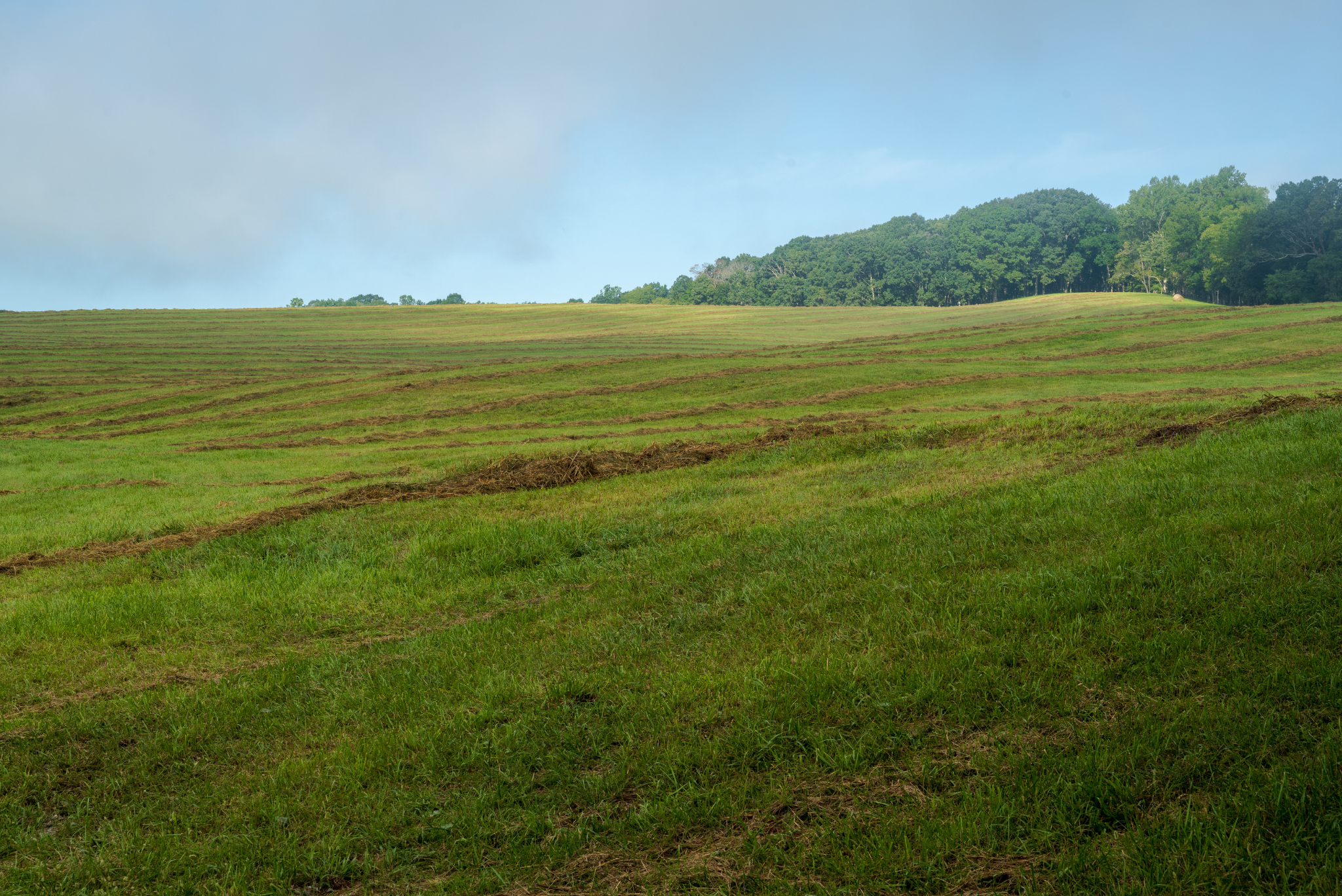
A family may own 10, 20, or 50 acres and still have a much smaller area that makes sense to build on. The practical homesite depends on:
- Access and setbacks
- Slope and septic feasibility
- Utilities and the home’s footprint
Many inherited-land buyers already have a specific field, hillside, or corner of the property in mind. Sometimes that location works well. Other times, moving the house a relatively short distance can make the driveway, septic layout, grading, or utility connections much simpler.
Discover eight things to check to see if your land is buildable.
And even if a homesite is buildable, that does not mean it will work equally well for every floor plan. The usable building area, slope, driveway approach, and septic layout can all affect which home makes the most sense for the property.
If you are carving a homesite out of a larger family tract, remember that site-development costs such as driveway, septic, well, and electric service are separate from the price of the house.
That is why NBS Homes evaluates the actual property, not just the total acreage. Learn more about our Our House, Your Land process.
Inherited Land Can Give You a Head Start on Financing
If you inherited the land instead of buying it, you may already have equity in the project before construction begins.
For example, if you inherit a parcel worth $60,000 and own it free and clear, that value may count toward the equity you bring into a construction loan.
Depending on the lender and how the property is appraised, that inherited land equity may reduce how much additional cash you need to bring to the project.
Don't assume the land automatically replaces a down payment, though. Lenders may value and structure inherited property differently, especially if ownership was recently transferred or the parcel was just subdivided from a larger family tract.
Talk with a construction lender early so you understand:
- How the land will be valued
- If the equity can count toward your required contribution
- If the title or subdivision needs to be finalized first
NBS Homes can also point you toward lenders familiar with construction financing and build-on-your-land projects.
What to Have Ready Before You Talk to NBS Homes
You do not need to have every detail figured out before contacting NBS Homes. But if you have the following information, it can help us understand the property more quickly:
- Property location: The address or parcel number
- Approximate acreage: How much land you have or expect to receive
- Ownership status: If the property is already in your name and if anyone else owns part of it
- Subdivision status: If your future homesite is already a separate parcel
- Preferred homesite: Where on the property you are thinking about building
- Known utilities: Anything you already know about well, septic, sewer, water, or electric service
If you do not know all of this yet, that is okay. Part of the early conversation is figuring out what to answer next. Our planning guide is a great place to get more information.
Frequently Asked Questions About Building on Inherited Land in Virginia
1. Can I build a house on inherited land in Virginia?
In many cases, yes. First, make sure the ownership, title, and any estate or subdivision issues are legally resolved. Once that is clear, talk with NBS Homes so we can help you evaluate if the property and proposed homesite work for one of our homes.
2. Do I need to subdivide inherited land before building?
Not always. If your future homesite is already its own legal parcel, you may not need to subdivide it again. If you’re carving a homesite out of a larger family tract, you may need a survey and formal subdivision before construction can move forward.
3. Can NBS Homes help me decide where to put the house on inherited land?
Yes. As part of evaluating the property, we look at the proposed homesite and if one of our home plans fits the usable area well. Things like access, septic, grading, utilities, and the home’s footprint can all affect where it makes the most sense to build.
4. Do utilities need to be installed before I start talking to a builder?
No. In many inherited-land projects, questions about well, septic, electric service, or public utilities are still being worked out early in the process. What matters is identifying those needs before you get too far into planning or budgeting around a specific homesite.
5. Can inherited land help with the down payment on a construction loan?
It can in some cases. If you own the inherited land and it has appraised value, that equity may count toward what you bring into the construction loan. Exactly how it is treated depends on the lender, appraisal, ownership status, and loan structure, so it’s worth talking with a construction lender early.
Building on Inherited Land in Virginia Starts With the Right Questions
Building a house on inherited land can be a great opportunity, but it helps to work through the right questions before making big decisions.
Start by confirming the ownership and any legal issues. Then confirm the property can be subdivided if needed, identify a workable homesite, and understand how the land may affect your financing.
You do not need to have every construction detail figured out before talking to NBS Homes. Once the legal side is clear, we can help you evaluate the property, understand which of our floor plans may fit the site, and identify the next steps toward building.
If you’ve inherited family land in Central or Southern Virginia and want to know what it could take to build on it, contact us to talk through your property and your next step.