
Choosing a home builder is about more than comparing prices or reviewing a portfolio. The right fit depends on how clearly the builder defines the process, communicates expectations, and aligns the home and site with your priorities.
Table of contents
- Semi-custom, custom, and why the difference matters
- Six things to look for in a builder
- Questions to ask before you sign
- Red flags to watch for
- How to compare quotes fairly
- Why fixed plans can protect your budget
- How NBS Homes fits
- Frequently asked questions
Building a new home is one of the biggest decisions you will make, and the builder you choose matters more than any single finish or fixture. The right builder makes the process feel organized and understandable. The wrong one can turn the same project into months of uncertainty.
If you are considering a semi-custom home in the Richmond area, this guide explains how to evaluate a builder, which questions are worth asking, which warning signs deserve attention, and why a more defined building program can work in your favor.
Semi-custom, custom, and why the difference matters
A fully custom home starts from a blank page. You choose the design, layout, materials, and many of the construction details. That flexibility can be valuable, but it also brings more decisions, design time, and opportunities for the budget or schedule to change.
A spec home is the opposite: the builder selects the plan and finishes and begins construction before a buyer is involved. You are purchasing what has already been chosen or built.
A semi-custom home sits between those two approaches. You begin with a proven floor plan, then personalize a defined selection of finishes or options. Because the builder has completed the plan before, pricing, material needs, and the construction sequence can be easier to anticipate.
Knowing which kind of builder you are evaluating matters. A company calling itself semi-custom should be able to explain exactly what is fixed, what can be personalized, and what happens when a buyer requests something outside the standard program.
Six things to look for in a builder
1. Transparent pricing
A good semi-custom builder should explain the home price, standard features, available upgrades, and property-specific costs before you commit. Ask whether land preparation, permitting, utilities, wells, septic systems, driveways, grading, and other site work are included or estimated separately.
If the first number seems unusually low, find out what is missing. A useful quote is not simply the lowest total. It is the one that makes clear what you are actually buying.
2. A clearly defined schedule
An experienced builder should explain where the schedule begins, which pre-construction steps happen before groundbreak, and which conditions may extend the project. Ask for recent examples rather than relying only on an ideal timeline.
Land conditions, financing, permitting, inspections, weather, and material availability can affect individual projects. The builder should distinguish between the time spent preparing the property and the time spent actively constructing the home.
3. Trade expertise and coordination
Ask who performs and manages the work. Some builders keep key trades in-house, while others use long-standing subcontractor relationships. Either structure can work when responsibilities, supervision, quality control, and communication are clear.
The important question is whether the builder has a dependable team and a repeatable process rather than assembling a new group for every project.
4. Proof you can evaluate
Look beyond promotional photographs. Read detailed reviews, ask whether you can see a completed home or active project, and request examples of the same or a similar floor plan.
Pay attention to workmanship, communication, and how previous buyers describe the experience. A builder should be able to provide concrete evidence of what it has built.
5. Proper licensing and insurance
Verify the builder's active Virginia contractor license and classification through the Virginia Department of Professional and Occupational Regulation. Ask for current insurance information and confirm who is responsible for permits, inspections, and warranty service.
6. Clear expectations
The strongest builders explain what they do not offer just as clearly as what they do. A semi-custom builder that establishes limits on structural changes may be protecting the pricing and repeatability of its program.
Before you sign, make sure you understand:
- The plan, standard features, and available choices
- Site responsibilities and payment milestones
- Schedule assumptions and the warranty path
Questions to ask before you sign
- How many times have you built this exact plan?
- What is included in the base home price?
- Which property and site costs are separate?
- What can I personalize, and what is fixed?
- Where does your quoted timeline begin and end?
- What did your most recent comparable projects take?
- Who will be my point of contact during construction?
- How often will I receive updates?
- What happens if you find an unexpected condition on the land?
- How are upgrades or change requests priced and approved?
- What does the warranty cover, and who performs warranty work?
- Can I review a sample contract before making a decision?
A confident builder should be able to answer these questions directly. The clarity and consistency of the answers can tell you as much as the answers themselves.
Red flags to watch for
Be cautious when a builder provides a firm project total without reviewing the land or clearly separating site work. Rural and build-on-your-land projects can be affected by access, utilities, grading, drainage, soil, septic feasibility, and permitting.
Other warning signs include vague allowances, pressure to sign before you understand the scope, reluctance to provide licensing information or project examples, unexplained exclusions, and a contract that does not establish how changes will be handled.
Pay attention to communication during the sales process. If basic questions go unanswered while the builder is trying to earn your business, communication is unlikely to improve after the contract is signed.
 How to compare builder quotes fairly
Two quotes rarely include exactly the same work. Before comparing bottom lines, line up each proposal item by item:
- Base home and standard finish package
- Permits and required inspections
- Clearing, grading, foundation, and driveway work
- Well, septic, power, and other utilities
- Allowances versus specified materials
- Upgrade pricing
- Financing-related requirements
- Warranty coverage
A lower quote is not necessarily a better value if major portions of the project are excluded or represented only by allowances. Ask each builder to identify what is not included. That is often where the most important differences appear.
Why fixed plans can protect your budget
It may sound limiting, but a defined set of floor plans and finishes can be one of the main advantages of a semi-custom program. Repeating proven plans helps a builder anticipate material quantities, coordinate trades, and reduce the design decisions that often cause delays or budget changes.
Fewer open decisions can also mean fewer change requests. The guardrails are not necessarily a compromise; for buyers who value clarity and predictability, they may be the point of choosing semi-custom construction.
How NBS Homes fits
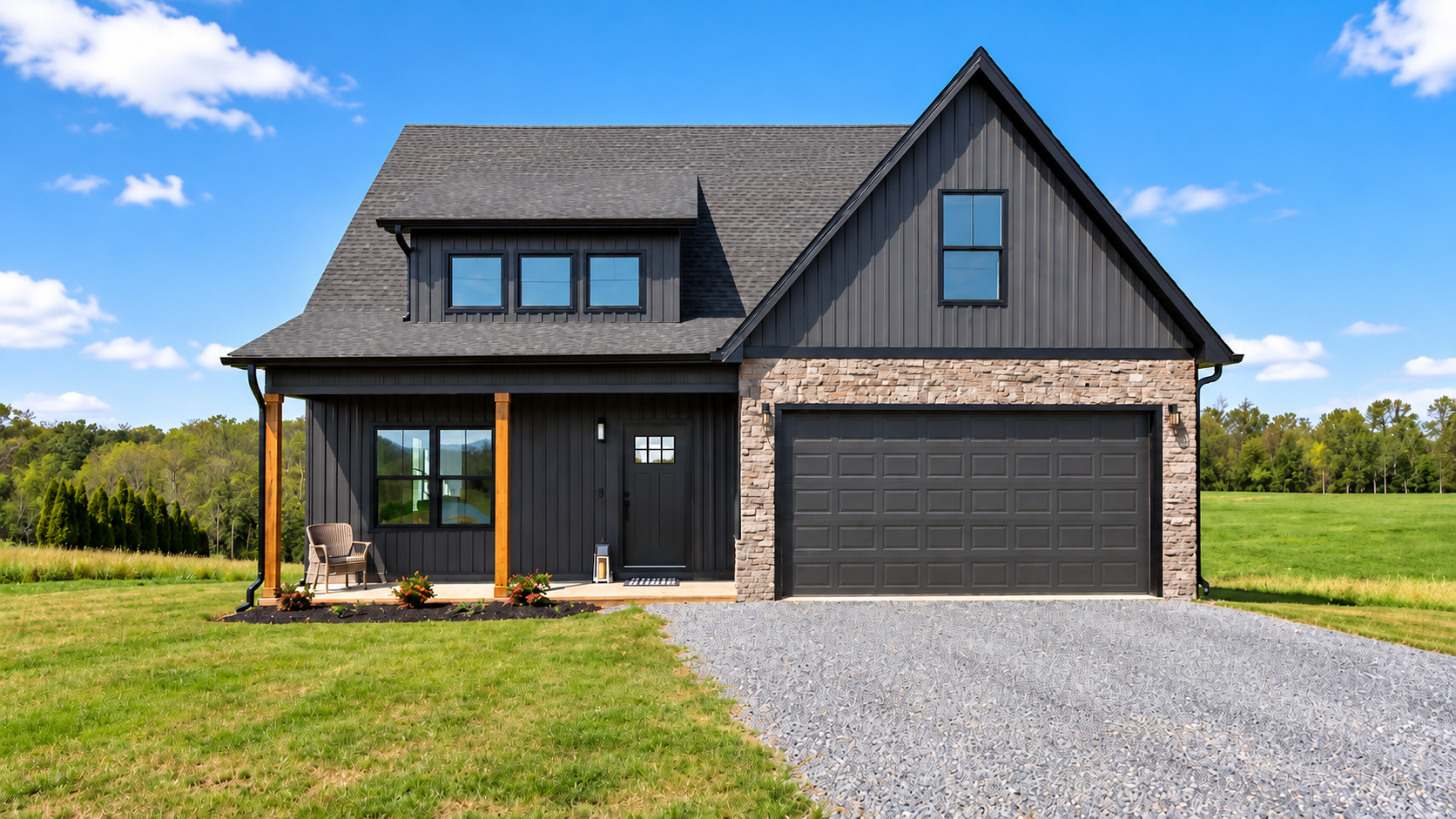
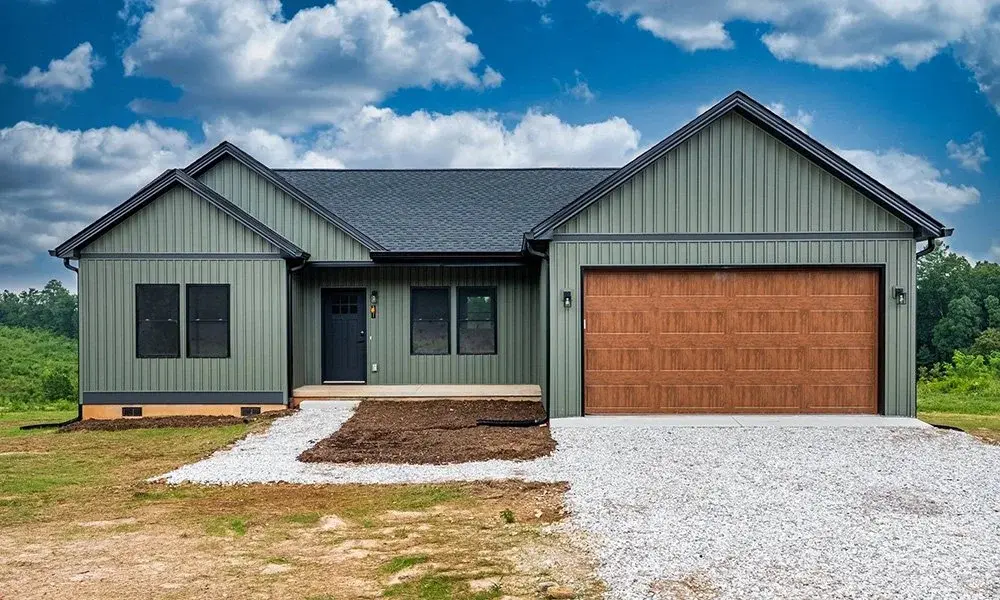
NBS Homes is a semi-custom builder serving Central Virginia, including the Richmond corridor and Lynchburg area. The company builds four established floor plans on land the buyer owns and uses a defined finish package with a limited selection of upgrades.
NBS Homes is Class A licensed and maintains plumbing, electrical, HVAC, and gas-fitting capabilities in-house. Its process begins with the buyer's goals, budget, and property, followed by a property review that helps identify access, utilities, grading, and other site considerations before construction begins.
Use every question and standard in this guide when evaluating NBS Homes, too. A useful builder-selection guide should help you compare companies honestly, not simply tell you which company to hire.
Frequently asked questions
1. What is the difference between a semi-custom and a custom home builder?
A custom builder begins with a new design created for a specific buyer. A semi-custom builder starts with established plans that buyers can personalize within defined limits, which can make pricing and scheduling more predictable.
2. Is a semi-custom home less expensive than a fully custom home?
It often can be because the builder is reusing proven plans, established specifications, and a repeatable process. The actual difference depends on the home, land, site work, finishes, and what each builder includes.
3. How do I verify a Virginia home builder's license?
Search the builder or contractor through the Virginia Department of Professional and Occupational Regulation and confirm that the license is active and appropriate for the proposed work.
4. How many builder quotes should I obtain?
Two or three comparable proposals are generally enough, provided you align what each quote includes and excludes before comparing the totals.
5. Does NBS Homes serve the Richmond area?
NBS Homes serves the Richmond corridor and other Central Virginia communities. Service availability is evaluated by property address, so prospective buyers should confirm a specific parcel with the NBS team.